The Threshold
Moment Series: 001
Dirk
All right, a conversation with Henry Maxwell.
Tell me about, give me the Reader’s Digest, which young people probably don’t even remember. Kind of a snapshot of the life of Henry. Where did you grow up? What did the family feel like? Yeah, all of it.
Henry
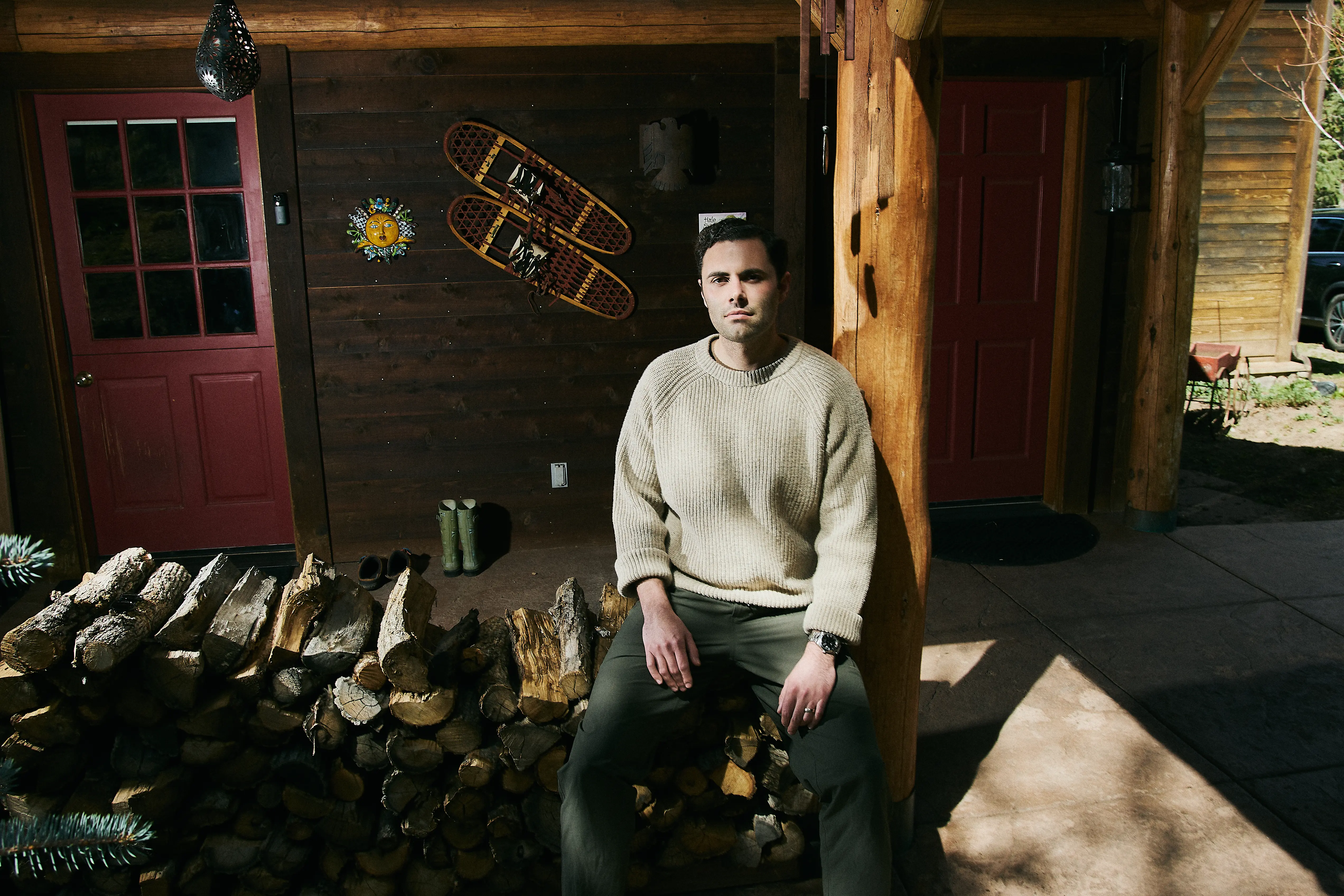
Yeah. Well, I grew up in Colorado. We’re sitting in Colorado right now, about 40 minutes away from where I grew up.
Kind of an interesting town in the sense that it’s grown a lot, but back when the Whole Foods was just a dirt pile, it was very much a small-town feel. Less culture. This is an old ranch kind of town, right? And you saw the sort of remnants of that when I was little.
My parents moved from California, where they met in grad school. Two other siblings. I’m the oldest.
I would say, growing up, on an emotional level, I think this relates to my story. As we talk about recovery and the challenges that I had later on, you hear this at every speaker meeting if you’re in a 12-step community. It’s something I related to very much.
When I went to 12-step recovery, I felt different. I felt like nobody could understand what I was experiencing internally. I felt like everyone had the playbook for life. They had a meeting prior to the school day where they talked about the plan and how to be successful, and I missed it. I was late, I guess.
And so I was walking around from a really early age feeling like I was separate and apart from other people.
Dirk
No, go deep. We got time.
Henry
But it pertained to most of the life decisions I made going forward, as it related to who I wanted to spend time with, how I dressed, what music I listened to, the entire trajectory of my young adult life. So that was kind of the fulcrum for a lot of it, this feeling of, I’m not good enough. I’m not a part of, et cetera.
I don’t think that was unusual for an adolescent to feel that way. I think it was just a matter of degrees. I had a group of friends growing up that we were tight. One of my friends, I think our moms met in Lamaze or something, and so I knew him since he was really, really young.
And what’s interesting looking back is, I felt like I didn’t have any friends, even though I had this tight group of friends, which is so interesting.
So there was always this internal wall of, I just can’t connect with other people. I don’t feel like I can connect with other people.
Dirk
What I’d love to grab from inside your heart is just transitioning from that kid. And I got to tell you, I share the fact that I thought everybody in the hallways knew all the answers. Like I was the only person that was like, What the fuck is happening?
Where I’d like to go is when that became so overwhelming that substances became very attractive. When did that happen? And then where I really want to get to is after you figured out that those substances were somehow temporal and not going to allow us to escape to wherever it is we were wanting to go. When did you decide to put that down and begin to live this thing we call recovery?
Henry
Well, what’s interesting in hindsight is I was always attracted to counterculture. Skateboarding culture, I really liked. I wasn’t good at skateboarding, but I liked the culture of the thing — the music, the tattoos.
On another level, I remember at 13 seeing the movie Panic in Needle Park. It’s one of Al Pacino’s first. It’s about a heroin addict in New York. Basketball Diaries, I’m sure you’ve seen.
And I remember, even though I wasn’t trying to inject heroin at 13, I was like, there’s something really cool about that. I like the freedom of it. It’s like we’re just doing one thing. Life’s not complicated. It’s just you. You do that. You’re with those people. There’s one central goal, and it sort of rejects the expectations of society.
So I was attracted to that lifestyle on some level, even though the realities were not as fun and appealing as the movies, obviously.
But really, I think I started using substances to connect with other people. It’s kind of a ready, tailor-made, out-of-the-box sense of community and sense of identity.
For me, that started with cannabis, alcohol, and some opiates after a little oral surgery. Vicodin. And kind of out the gate, I think genetically, it was like, this makes me feel like I can breathe for the first time since I was six years old.
When we talk about a spiritual experience in the recovery community, that was my first spiritual experience. That was a psychic change that happened for me as a result of this external force.
So I said to myself, in so many words, subconsciously, I’m going to do this as much as I can, at the highest intensity that I can.

Henry
By the time I was 17, I had a felony burglary charge. I was an IV heroin and cocaine addict. I was hanging out with people in their 30s and 40s, living that lifestyle, scared to death the whole time.
I’m not a tough guy. When I think back in hindsight, I was scared most of the time about the people I was hanging out with, the things I was doing, the situations I was in. But I couldn’t not do it. I would still sign up every day to be a part of that.
I went to treatment in an adolescent psych hospital after a pretty gnarly cocaine run, hospitalization, detox. And the first major chink in the armor of, I could do something different, I could have a different life for myself — I had been very unhappy for a long time. It felt like my entire adolescence, very unhappy.
I was in H&I, and 12-step people come in and share their story in hospitals and institutions. I remember asking this guy, I said, what do you do every day? I literally did not understand it. I didn’t get it. What do you do? What do you focus on? What’s your life like? I don’t understand.

Henry
And he said — Henry, I’ll remember this forever — he said, “Henry, do you honestly believe that if sobriety wasn’t better than what I was doing out there, I would still be sober?”
And that opened up the door to the idea that there’s some people out there that are living this entirely different life, with a joy, with a freedom, with an okayness inside themselves that I didn’t have, but that I wanted.
Dirk
Talk to me a little bit about the difference between deciding to deal with life on life’s terms without the use of chemicals, meaning a baseline of abstinence, versus this thing a lot of people call recovery. That can be from drugs and alcohol, any kind of addiction, depression, anxiety. What does recovery look like to Henry?
Henry
Totally. It’s a big question.
Henry
The way I view it is, recovery is about actually getting my fundamental, basic human needs met in a way that is not accomplished by simply being abstinent from substances.
When I think about what substance use is, it’s an external means to get my basic, fundamental human needs met. My intimacy needs, my connection needs, which I think are a little different, my sense of joy and freedom, my sense of self-regulation, the ability to breathe, like I mentioned earlier. All of that were skills that I didn’t learn, that I didn’t know how to do, and substances were a really easy way to meet those needs.
We always meet those needs in some way.
For me, what recovery has been is this process of learning how to communicate. It’s learning how to cultivate healthy intimacy with other people. It’s learning who I am underneath all of the pre-programming of trauma and mental illness and life experience.
My belief, working with a ton of people in a professional capacity and in a volunteer capacity, is that if we don’t learn how to get those fundamental human needs met, I think for a lot of us, abstinence is going to be challenging ultimately.
Dirk
Did you grow up thinking that vulnerability was a strength?
Henry
I wouldn’t say I felt the more traditional old-school masculine narrative of vulnerability is weakness.
I think I more felt like it was unsafe.
It’s not safe to be vulnerable. If you’re vulnerable, you’re open to ridicule and rejection and things like that.
Again, that’s not conscious when I look back. It was the subconscious underpinning of my decisions.
And today, vulnerability is the only way to establish connection and intimate relationships with other people.
Dirk
How are we supposed to welcome struggle and find joy within the struggle?
Henry
I like research. I like thinking about a lot of the stuff that we talk about in the field as skills that we can learn.
I think it’s helpful to pitch them that way, that these are all skills that we can develop.
What I hear you saying is the concept of resilience.
Simply put, resilience — and we have research around this — is community, meaning and purpose, and coping skills.
If we have those three things, we’ll be resilient. If we don’t, we won’t.
Concrete advice for families struggling with anything, I would say, but particularly mental health, substance use: find a community of other families going through the same thing that you’re experiencing.
Give back, because that creates meaning.
And learn how to regulate your nervous system.
If someone feels alone—
I would say:
It is that hard.
The world right now is difficult.
But there are people who understand.
And there are places where you don’t have to go through it alone.


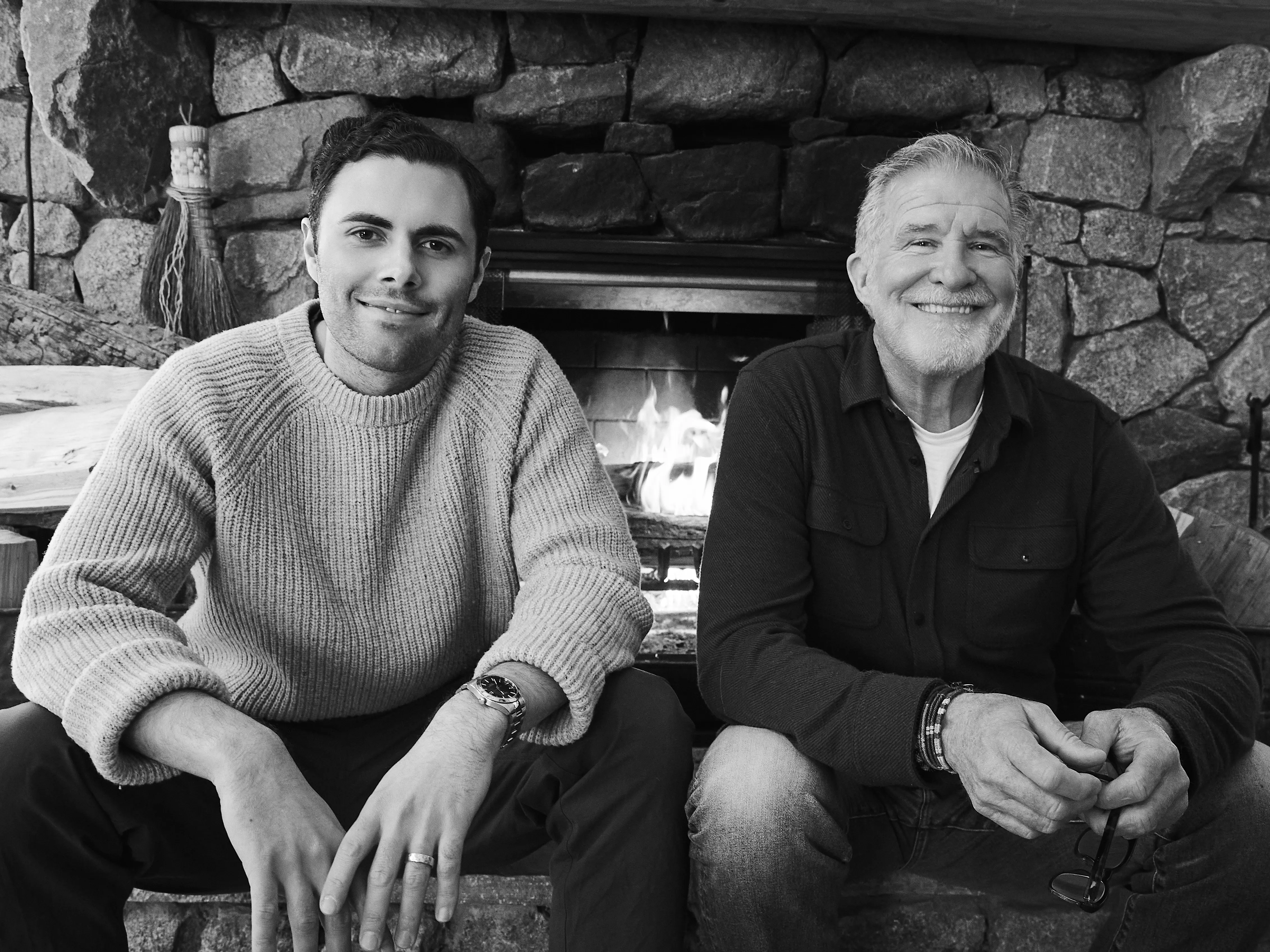
Henry Maxwell & Dirk Eldredge
9121 Atlanta Ave #1086 Huntington Beach, CA 92646
Connect@arrivalproject.org
EIN: 32-0777967
WANT MORE ARRIVAL?
Not updates. Not advice.
Just honest stories from people learning how to stay.
Subscribe to Arrival and receive reflections on the human experience — quietly, and without prescription.